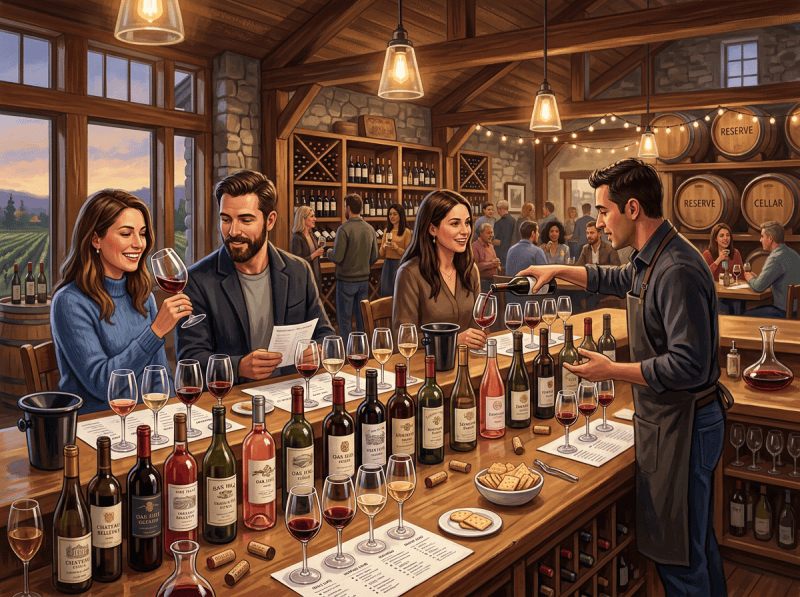
On this week’s radio show Carmen and I talked about wines that fly under the radar such as a rare and unusual grape variety, a wine with a small footprint that is gaining popularity, and a sommelier’s insider wine.
The inspiration for this topic began with Circle Liquors Chet Malloy’s recommendation of Ruche, an Italian wine made from a rare grape varietal of the same name.
Ruche is a rare, highly aromatic red Italian wine grape variety native to the Piedmont region. For most of its history it was cultivated in relative obscurity and was nearly extinct by mid-20th century. A local parish priest, Don Giacomo Cauda, saved and championed the Ruche grape in the 1970s by inspiring the community to replant and revive the variety. There had been some debate over the grape variety’s origin (an old legend claims that it was brought from Burgundy, France), however, modern DNA testing shows a natural crossing of Croatina and Malvasia Aromatica di Parma (both native to northern Italy).
Ruche is the primary grape in the Ruche di Castagnole Monferrato appellation. The appellation received DOC status in 1987 and DOCG status in 2010. It has extremely limited production area covering only about 100 to 240 acres and is restricted to just seven small municipalities in Monferrato. Ruche wine has only become known outside of Piedmont in the last 20 years.
- 2023 Gianni Doglia Il Ruche di Castognole Monferrato DOCG tasting notes: Floral on the nose with notes of cherry and vanilla. Medium-bodied with flavors of cranberry, cherry, red licorice, and strawberry. Bright acidity and soft tannin with a medium to long tart, dry finish.
Cannonau di Sardegna is made from the Cannonau grape (which is genetically identical to Grenache) and comes from the island of Sardinia. It makes our list of under-the-radar wines because it occupies a niche but rapidly growing position in the international wine market.
Cannonau di Sardegna is tied to public awareness about global “Blue Zones”, places noted for a high concentration of centenarians, of which Sardinia is one. The wine has exceptionally high levels of antioxidants associated with better health.
It is also recognized for its price-to-quality ratio as an exceptional value and highly regarded in the exports markets as a premium, age-worthy red wine for under $25.
- Sella & Mosca Cannonau di Sardegna – Red fruit oriented with lovely floral scents of rose and hibiscus. Fairly full-bodied with flavors of plum, strawberry, black cherry, white pepper, and savory Mediterranean herbs. Baking spice and vanilla from oak aging. Medium acidity with approachable tannins.
Vermentino is a refreshing, light-skinned wine grape variety primarily grown in coastal Mediterranean regions like Italy, Sardinia, Liguria, and Tuscany as well as southern France. The grape was once thought to have originated in Sardinia, but recent DNA testing names Italy as its place of origin. Vermentino is not widely popular outside of Italy and France. It remains relatively obscure globally, but while its footprint is small, its international presence is growing in a few key new world wine regions due to its ability to retain crisp acidity in hot dry conditions.
Vermentino has flavors of lime, grapefruit, green apple, peach, and a distinct bitter almond finish. It is dry, medium to light bodied, with medium-high acidity and no tannins. It is known for its unique, briny minerality, and herbal notes due to its proximity to the sea. Vermentino wines make an excellent pairing with seafood, shellfish, summer vegetables like zucchini and eggplant, and is often served with a traditional Sardinian dish of roasted suckling pig.
- La Spinetta Toscana Vermentino, a white wine made with 100% Vermentino grapes. The sandy soil, rich in marine sediments, and Mediterranean weather influence creates a light-bodied wine with flower scents and mineral notes.
- Argiolas – Vermentino di Sardegna Costamolino (Sardinian Vermentino) is a dry, light to medium bodied white wine with flower scents and mineral notes. Bright citrus and peach flavors with a savory edge. Classic bitter almond finish with a salty note.
While Vouvray is not that well known to the general wine drinking public, it holds a respected insider status with wine professionals, sommeliers, and collectors worldwide. Vouvray is both a wine and appellation in the Loire Valley, France. The wine is made from the Chenin Blanc grape and is recognized as the gold standard for wines made from that grape.
Vouvray can be made in a variety of styles from dry, to sweet, to sparkling. It is popular in northern Europe and its popularity in the US is growing, especially for the dry and sparkling styles. One of the reasons Vouvray is adored among wine professionals is that it has a remarkably high natural acidity that cuts through rich foods making it pair beautifully with everything from spicy Asian cuisine and sushi to heavy pork dishes and cheeses. For collectors, the sweet style of Vouvray has legendary aging potential. Top bottles from elite producers can age for 40 to 100 years making them highly prized in auctions.
- Reserve du Naufraget Vourvray – dry with aromas of honey and flowers and flavors of green apple, pear, quince, and citrus. Bright, crisp acidity.
- Barton and Gustier Vouvray – Floral, apple, and minerals on the nose. Light-bodied and lightly sweet with flavors of citrus and peach. Delightfully refreshing with a crisp finish.
The Languedoc wine region in southern France is a good place to find under the radar bargains. The region is not as prestigious as Bordeaux and Burgundy, so it lacks luxury marketing and collector demand. Also, Languedoc-Roussillon is one of the largest wine-growing areas in the world and the volume of wine produced and strong grower cooperatives help keep prices low. For the buyer, that means good, everyday wines at affordable prices.
- Jeff Carrel Les Darons – A highly rated affordable red wine made from 70 % Grenache, 30% Syrah. Bright red fruit and a floral note on the nose. Silky mouthfeel with medium to full body. Flavors of raspberry, cassis, pomegranate, strawberry, red currant, and baking spice with bright acidity. Medium length finish with a succulent fruit ending.
Greece isn’t the first country that comes to mind when talking about wine, but the Greek winemaking tradition goes back 4,000 years with deep roots in ancient mythology and Mediterranean culture. The wine we are featuring is made from the Moscofilero (or Moschofilero) grape which is considered a “chameleon” because despite being a red grape (having a vibrant pink, purple, or greyish-red skin) it is almost exclusively used to produce white wine, as well as some light rosé and sparkling wine.
- Domaine Skouras Moscofilero – Very light in color with floral notes of jasmine and honeysuckle. Layers of fruit flavors including citrus zest, green apple, peach and tropical notes. Hints of sage, mint, and white pepper. No oak aging to preserve the bright, fruity flavors.
When we think of Provence, we usually think of rosé. The Bandol appellation in the Provence region also produces world-renowned red wines made primarily from the Mourvèdre grape.
Although Bandol wines are treasured by wine professionals as the ultimate expression of the Mourvèdre grape, they have yet to become part of the mainstream in the US. Production is small and harvesting is done by hand on steep stone terraces which keeps prices up but compared to cult status California wines, they can be considered a bargain.
- Chateau de Pibarnon Bandol Rouge – One of the leading producers in the Bandol AOP of Provence. Bandol Rouge is the flagship estate red and is typically a blend of 90% Mourvèdre and 10% Grenache. It is aged in oak for 20 months and built for long-term cellaring. Fragrant aromas of dark fruit and leather. Full-bodied with flavors of dark plum, cassis, black raspberry, licorice, tobacco leaf, dark chocolate, and cinnamon spice. Elegant acidity balances a high alcohol level. Long on the finish, with grippy tannins when young that smooth out with age.

